Labels

Tuesday, 3 September 2024

Location scout and Risk Assesment

Here is the location scout and risk assesment of the filming locations (Done by Cheryl)

google docs link:  https://docs.google.com/document/d/1zfRRNvRFI3zpNFQ5L6o_DDSJVlNWduzNqPYFz2c_tFo/edit?usp=sharing

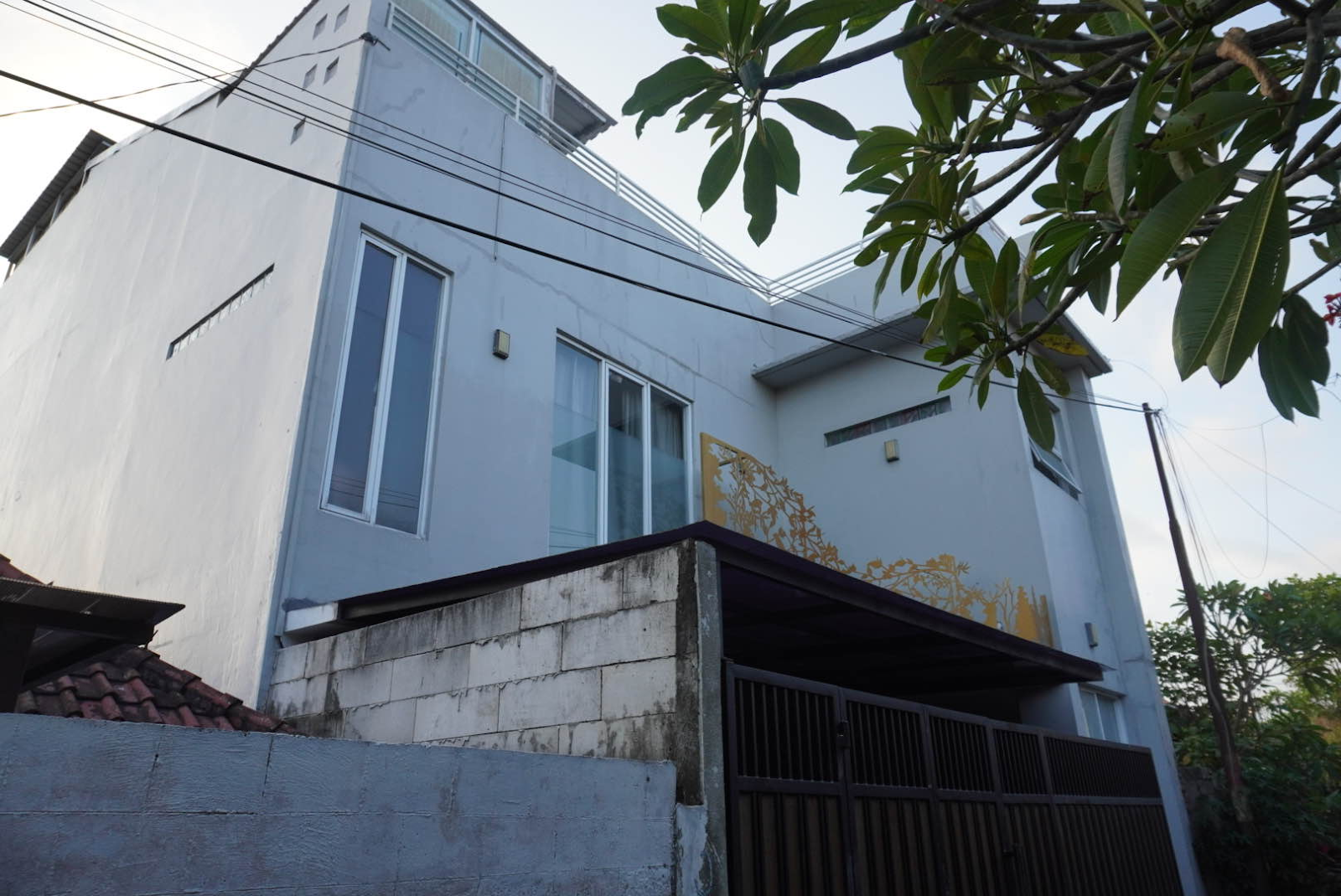
Location 1 (Outdoor - the front of the house and the street to the house)

Google map link:  https://maps.app.goo.gl/1o6aiXvW56bb9DtU7?g_st=iw

Pictures: 

The front of the house:
The street to the house:
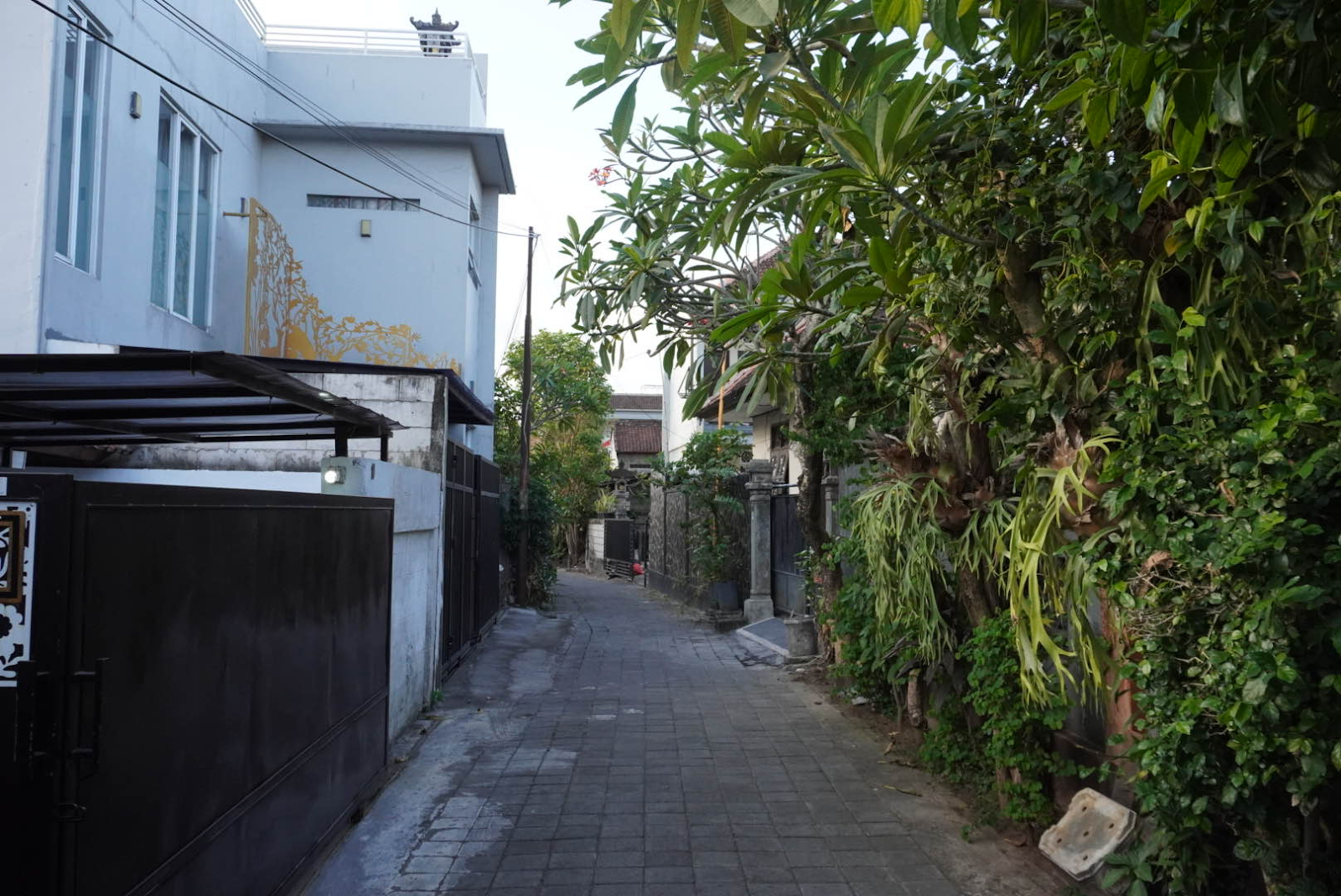
Purpose of the shoot: For our scene number 1 where it is to introduce the location of where the crime occurred. 

Media Language:

  • There will be a long shot of the street to Christopher’s house and the camera will move and follow Christopher going into the street of the house

  • Track/truck camera movement of Christopher that stops as Christopher stops right in front of the house

  • Long shot of the house for photographs of the location

Pros of the Location:

  1. Because the house belongs to Jocelyn, one of my teammates in this project, the time we can spend there is flexible and not limited since it’s her own private property. This will allow us to follow our filming schedule as planned with the advantage of shooting without the pressure of time limits and the ability to take as many reshoots as we need as well. In comparison to if we set our location in school or a public space in which they have an opening and closing time, this would create longer filming durations as it meant that not everything can be done on that day and we would have to continue it another day. 

  2. The street to the house where Christopher will walk through is quite narrow, thus this can give the audiences an idea of the feeling of isolation and confinement for Christopher. We can use this as a method of building suspension and the gloomy and depressing mood we are trying to set. 

Cons of the Location:

  1. Shooting outdoors will mean that we will have to face unpredictable weather such as in the case where it starts to rain, we will have to delay or stop shooting outdoors at that moment as the camera is not waterproof and would be damaged due to the rain water. In addition to that, the mise-en-scene such as the appearance and clothes of the actor would be altered due to the rain water as well, in which they would not appear as how my team planned them to look like in that scene. 

  2. Secondly, since the street to the house is quite narrow, this will increase the effect of interference from passersby, motorbikes or cars passing by whilst we’re in the middle of shooting. This will lead to us having to reshoot the clip again and possibly delaying the shoots of the next clips or scenes that we planned to be done on that day. 

Risk Assessment 

Potential Hazards: 

  • Uneven ground 

  • Sudden harsh weather

Evaluate Risks:

  1. As shooting outdoors is for scene 1 in which in this scene, the camera will be tracking Christopher, uneven ground may make it hard to keep the tracking stable and may cause that scene to look quite shaky which is not desirable. In addition to that, there are possibilities that either the actor or the person with the camera trips and falls, leading to a possible delay in the shoot as the camera and their ability to walk may be damaged in that process. 

  2. Sudden harsh weather such as rain, strong wind, or really high temperature will lead to discomfort in shooting outdoors as it would be more difficult to manage the equipment and the mise-en-scene of the background such as the lighting and the appearance of the actor. In the case of really high temperature, the camera may overheat and we’ll have to wait for 

Control Measures and Implementation Timeframe:

  • Before recording the scenes, we could survey the area of the shooting to make sure there aren’t too many obstacles and choose the area that is the smoothest to walk on. (This can be done one day before shooting).

  • Make sure to wear sunscreen so that we don’t get sunburnt (should be done an hour before shooting).

  • We can also make sure to check the weather forecast to see if the weather will be suitable for us to record. If it isn’t then we could reschedule to a different day. (The weather forecast should be checked a day before the shooting).


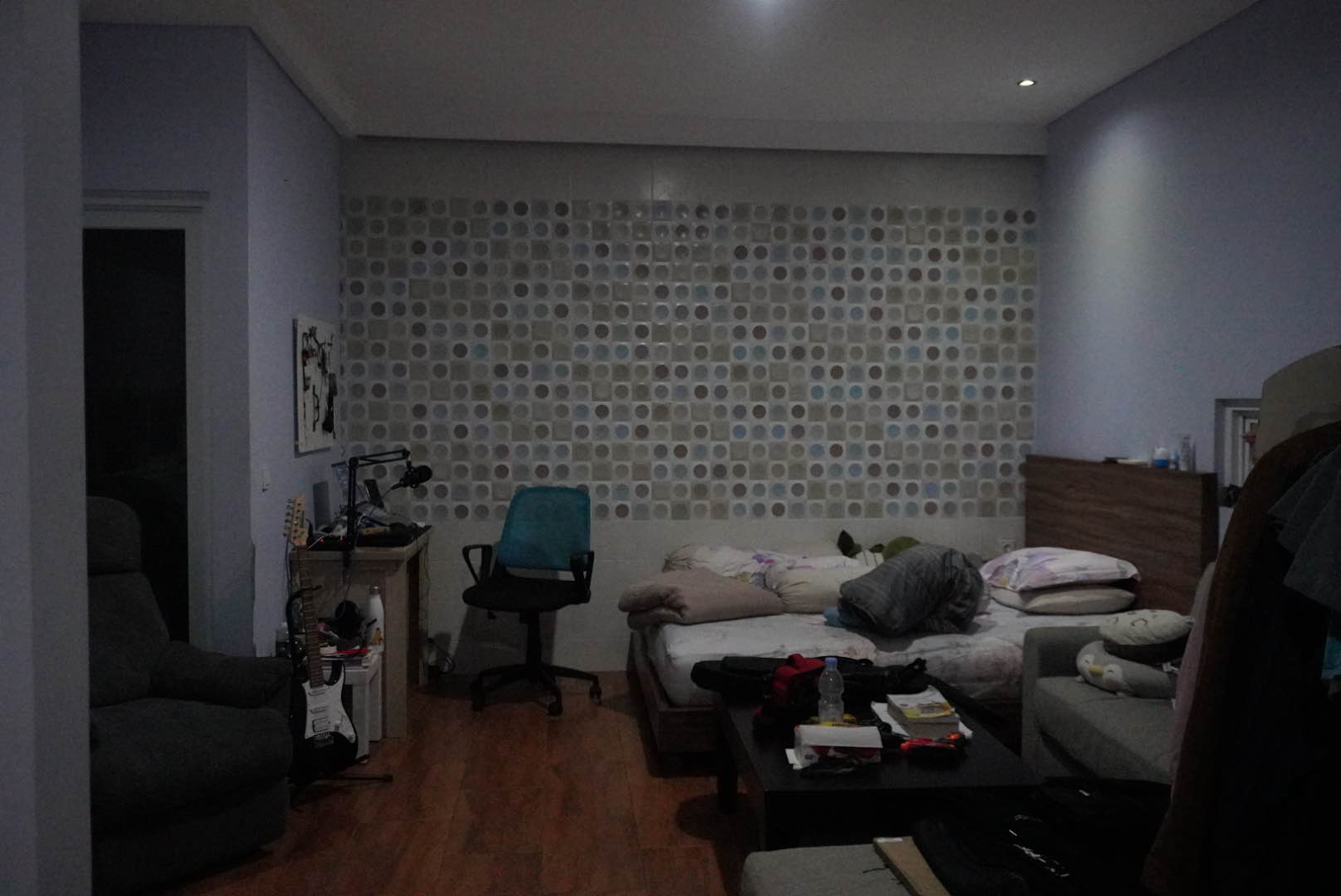
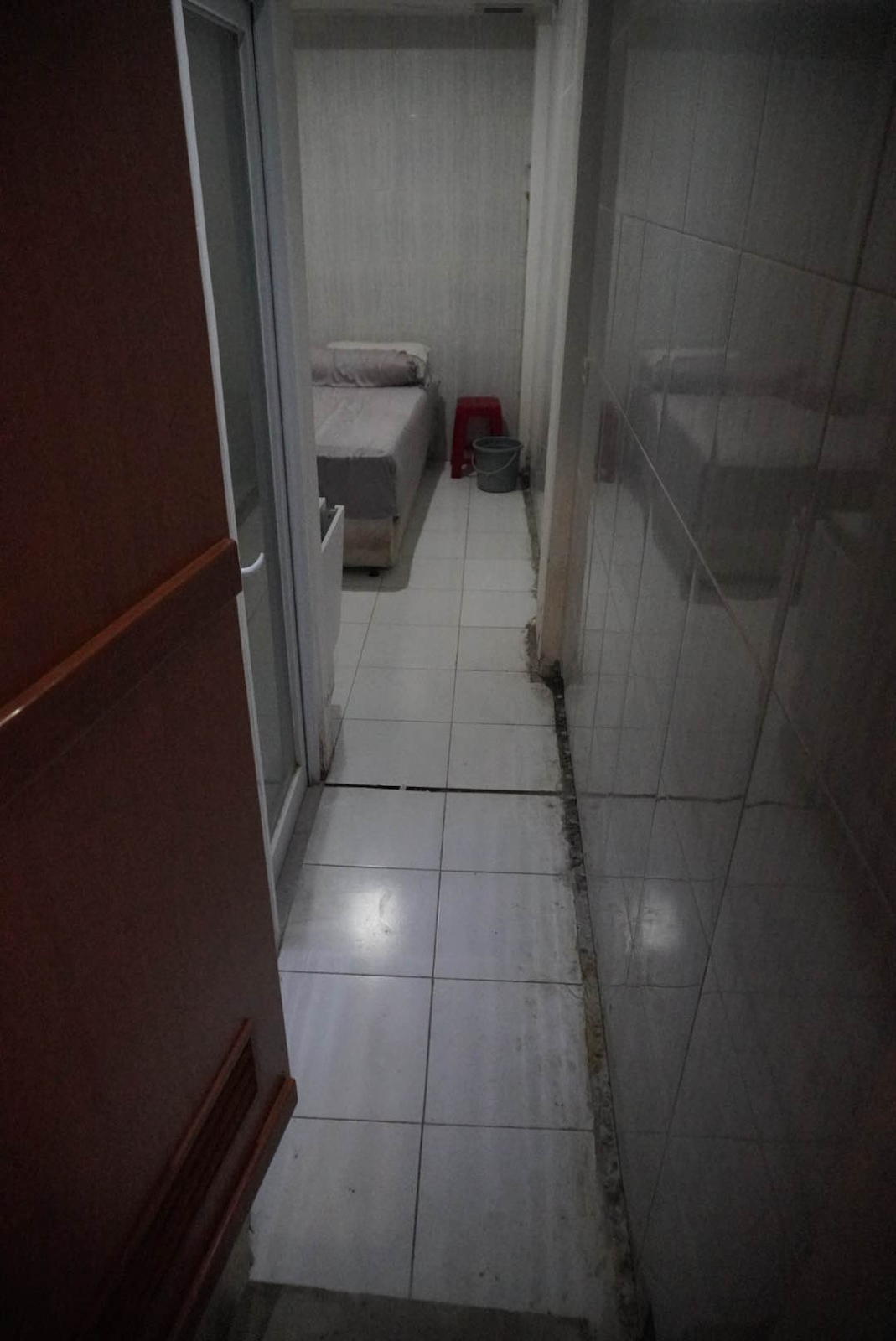
Location 2 (Indoors - Harper’s room, living room, and basement)

Google map link: https://maps.app.goo.gl/1o6aiXvW56bb9DtU7?g_st=iw

Pictures:

Room:
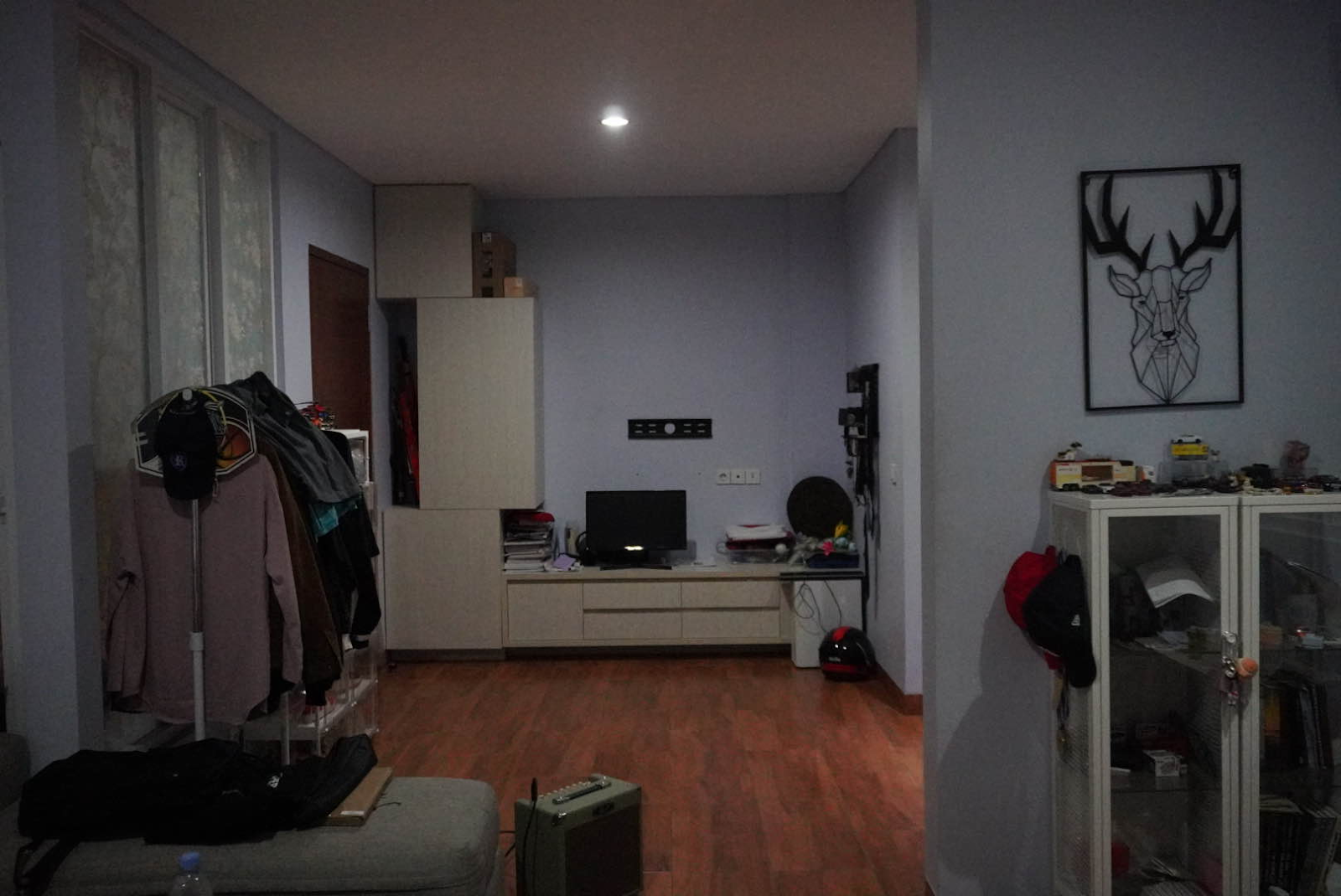
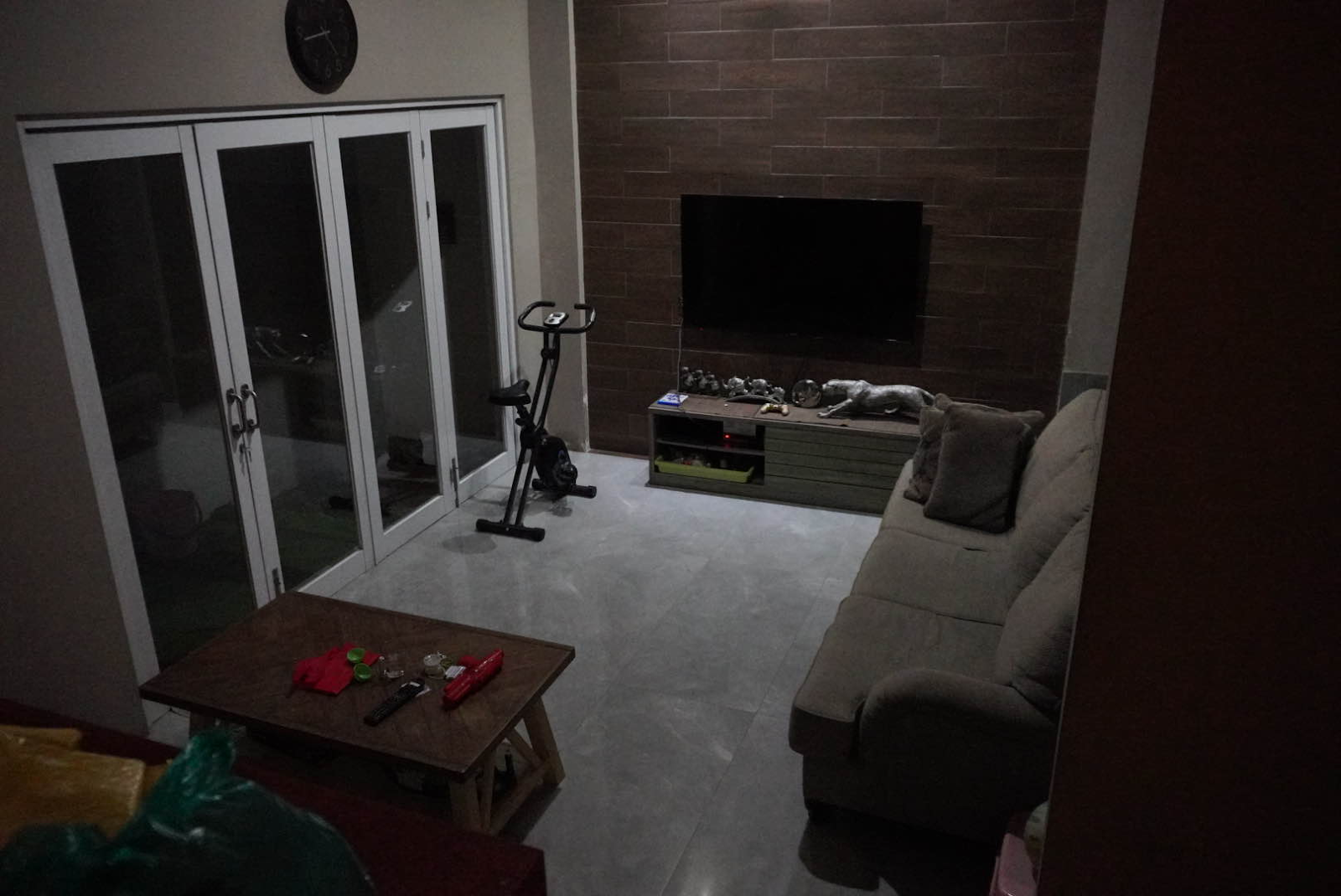
Living room:
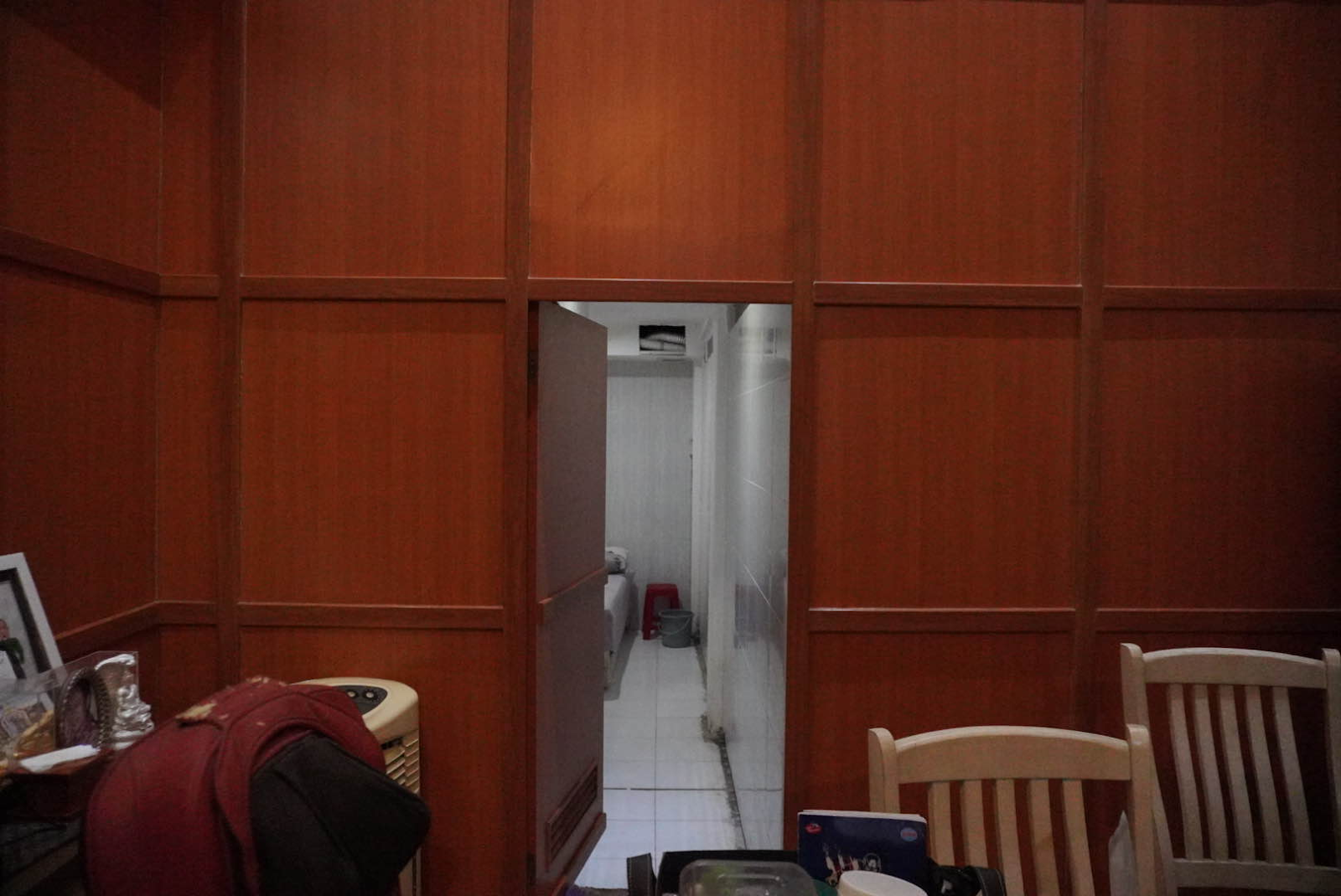
Basement:

Purpose of the shoot: For scenes of when Harper arrives at her home and scenes of her activities in her room and living room. 

Media Language:

  • Mise-en-scene of the camera’s focus lens on Harper’s body whereas her surroundings are quite blurred. Not long after, the camera’s focus lens will change towards the basement door 

  • Medium shot of harper 

  • Close up shot of Harper in her room, on her desk opening her laptop

Pros of the Location:

  1. Since it is Jocelyn’s private property, we are free to change and move things necessary for the visual effects of the scenes such as covering red liquid on objects to mimic blood, adjust the lighting to make certain scenes look darker, and rearranging objects such as beds, tables, and shelves. 

  2. Other than that, we are able to discuss and recollect our thoughts while filming and shooting freely too since it is comfortable and safe. We also have access to Jocelyn’s editing setup close by too so if we want to immediately try and see how certain scenes would look like pieced together, we could do that quickly with access to Jocelyn’s editing hardware and software.

  3. Access to the props that can be found in Jocelyn’s house which we could use to make scenes look more realistic (such as bags, laptops and etc.). This will help to make scenes look more realistic because they are items that can be found in any household, this one being Jocelyn’s.

  4. Protection from the weather as it is indoors, anything like rain and extreme heat would not affect us as much as we are sheltered from it. This will eliminate one of the biggest risk factors, leaving us with less to worry.

Cons of the Location:

  1. Especially for Jocelyn’s room that we will use to represent Harper’s, one of our biggest concerns surround the fact that Jocelyn’s room obviously reflects her. Jocelyn’s room is filled with things such as toy cars, F1 themed merch and others which for some could be seen as masculine. This could be harmful for our attempt at portraying Harper as someone who is feminine and more softer in personality. However, we could still try to limit this problem by simply removing most of the F1 merch if possible.

  2. Another problem would be that even if lighting can be controlled to some extent since it is indoors, our scenes will still be impacted by the time and lighting because it is impossible to replicate the sunlight. For some scenes, we will need to make sure that we film them at the same time of the day to make sure that we have continuity and so that scenes flow seamlessly. Changing the lighting by turning lights on and off will have little impact because again, they can’t create the effect of the sunlight.

Risk Assessment:

Potential Hazards: 

  • Jocelyn’s room had a lot of furniture such as tables, couches and a bed. 

  • Jocelyn’s basement is like a biohazard.

Evaluate Risks:

  1. Having a lot of furniture in the room will potentially make it hard to record some scenes as there is limited space. The limited space may cause the cameramen and actors to trip during the filming process. This will possibly result in injuries which will hinder or prolong the filming process too. Due to the obstruction of the furniture, the cameramen may also have to step on top of the furniture into uncomfortable and dangerous positions (if they fall, they will get hurt).

  2. Although Jocelyn’s basement is picture perfect and captures the essence of typical criminal basement conventions, this is also the problem. Jocelyn’s basement’s air is very humid and hard to breathe in as it smells horrible. This may make filming in it quite hard for the cameramen and the actors because they may feel nauseous after coming out, jeopardizing their health. 

Control Measures and Implementation Timeframe:

  • We can move some of the furniture to the side so that the walking path is not obstructed and it will also reduce the chances of people getting injured. (This should be prepared around an hour before the shooting).

  • In order to remove the humidity and stench, we could air out Jocelyn’s basement (This should be prepared a day before the shooting).

  • Another temporary solution would be for the cameramen to use masks while filming in the basement as they may need more time to set up, making them breathe in more of the basement air than the actors who can just constantly go out for fresh air.

Self reflection: My teammate Cheryl did the location scout and risk assesment, I took the pictures for each of the locations that we recorded at. All of it was placed in my house, so it would only make sense that I took the pictures.

Script + Storyboard

 Here is the script and storyboard for our documentary project (Script done by the whole team, storyboard done by Jasmine and Rachelle)

Screenplay for Where did Christopher go?

google docs link: https://docs.google.com/document/d/1SKYrjuezsNSg7w4a-FJ_84P0sOkLqcQlDvy9CM5i6_E/edit?usp=sharing

Scene 1: 

At the start of the scene, there will be a black screen with

text saying for example “On 19th July 2023, Christopher was finally found

after going missing for 2 weeks. At the police station, he told the authorities everything that happened.”


Long shot of road, camera moves and follows Christopher going

into the street of the house, track/truck camera movement of Christopher,

camera stops as Christopher stops right in front of the house (the entire time this plays out, Christopher is voicing over this and reading his

narrative) 

Narrative [use jocy’s microphone for thompson’s voiceover]: 

  • “I’ve been living in this neighbourhood for most of my life, for the most part, it’s always been so peaceful and quiet.”

  • Insert photographs of victim during childhood and

  • neighbourhood [put grainy filter on pics]


Scene 2: 

Interview

Reporter: Hi, sorry to take up your time but are you Harper?

Harper: I’m sorry what’s this for?

Reporter: We’re with the news, we have permission to ask around

the neighbourhood about the recent disappearance of Christopher Yong.

We've been told by your schoolmates that you live in the same neighbourhood

as Christopher?

Harper: Yeah, I do.


→ camera following Jasmine home, she goes into her house and

unpacks (sits down/uses laptop) 


RECREATION using a different actress – options: Rachelle

  • Harper drops bag → opens her laptop on table → types christopher on laptop

  • Stable shots + neutral lighting


Voicing over this scene:

Reporter: What’s your routine like when you go home from school?

Harper: I don’t know, I guess I go to my room, get on my laptop and do my

homework?

Reporter: Do you meet with him often at home or in your neighbourhood?

Harper: No, I’m pretty sure I live on a separate street from him.


Scene 3: 

  • Fullscreen TV interview with an interviewer interviewing Harper about the situation/crime, the reporter asks her about how she lives in the same neighbourhood and what she feels and thinks abt the crime. 

    • Questions asked during the interview (answers are semi-improvised to have a bit more realism)

J-cut back into interview

Reporter: How do you feel about the disappearance?

Harper: improvise

Reporter: Were you close with the victim?

Harper: improvise


Scene 4: 

  • Interview heard from the tv

  • Door opens and Harper walks out, hearing the interview (she’s clearly panicked and alarmed because she slipped and messed up on tv about the interview) on tv in her living room downstairs.

    • RECREATION

Heard from the tv:

Reporter: Do you know anything about the disappearance?

Harper: improvise improvise improvise -- But i did see him a couple days ago so 

Reporter: Wait, a couple days ago? He disappeared a week ago. 

Harper: No, no yeah sorry weeks ago sorry I’m losing track of time, you know, with school and this whole crime.

Reporter: Right. You were saying?


Scene 5: 

scene 4 audio fades and turns into background noise - thompson voices over.

→ Christopher says sumn like “i didn’t think i’d end up here” and the camera

blurs jasmine and focuses on the basement door downstairs


Overlapping interviews of other students talking and getting asked about

Christopher

Cuts into one interview

  • Music becomes unsettling and eerie (volume starts getting louder and louder)

  • Clips of pictures of the crime scenes, evidence and all flashes with camera clicking sounds rapidly.


Harper: I don’t know. Where did Christopher go?

Boom title card


Storyboard - Jasmine and Rachelle


Self Reflection: My teammates Jasmine and Rachelle made the storyboard and we all worked on the script together. I helped out Rachelle with putting in the time frames on the storyboard (I do the editing, so I know the timings of each scene) and corrected one or two scenes that weren't right. However, Rachelle and Jasmine did most the work and did a great job with the storyboard.


Statement of Intent

 This is the statement of intent that my group and I made.

link: https://docs.google.com/document/d/1yaA3MR-hSJACe1kI3rNmW2fUjPLtV-pG4VuLJ_PJ5L0/edit

Genre / Sub-genre

Stalking and Kidnapping

Reason: Spread awareness regarding those topics; the impact of those crimes, signs to look out for, etc. By telling the story of the victim in the documentary, we can raise empathy and understanding.

Topic

Victim disappears for a week. They were unknowingly stalked and kidnapped by a very unsuspecting classmate (the friendly and sweet popular girl).


Primary Target Audience

Demographic

  • Young adults (16-25)

  • Students


Reason

  • This age group usually consists of curious individuals, as well as those who enjoy suspenseful and thrilling narratives. 

  • Since the characters in our documentary are teenagers, students would find it easier to empathise with the characters as they are of similar age group, they may feel a stronger connection to the victim in our documentary, perhaps relating to a few scenes. This relatability will help increase the audience engagement with the documentary.

Psychographic

  • People who fear getting kidnapped

  • Crime enthusiasts


Reason

  • By watching the documentary, they can identify behaviour patterns and tactics that a perpetrator would have, and they would use this information to be aware of who and what to avoid in order to prevent themselves from facing similar situations.

  • Crime enthusiasts often watch crime documentaries to observe the psychological aspect of these perpetrator’s behaviours, some of these crime enthusiasts also watch these documentaries due to its thrill and suspense.

Secondary Target Audience

  • Parents of high school teenagers 

  • People living in the same area where the crime happened.

  • Psychology students 


Reason

  • The characters in our documentary are high schoolers, therefore parents with children who are in high school may want to watch it so they can recognize warning signs of stalkers and criminals. By recognizing them, they can educate their children to watch out for those warning signs.

  • These people may be curious about what happened near the place they live in/neighbourhood. They watch this documentary in order to inform themselves about the events occurring near them. (proximity)

  • Our documentary discusses the subject of stalking and kidnapping. This topic correlates to psychology that may be studied in school by psychology students, the documentary may be used as an example or a case study to analyze in class.


Message (Dominant Reading)

  • Regardless of social status and popularity, anyone is capable of committing crimes

  • Quiet and introverted individuals, especially men, don’t typically voice out their struggles or seek help. This makes them vulnerable to being targeted.

  • Anyone can be a victim


Reason

  • This is done to break multiple stereotypes. These include the stereotype where girls are always the victim and men, the perpetrator. As well as the stereotypes where seniors always bully and are superior to juniors, and how friendly people are never the perpetrator. By challenging these stereotypes, our audience can reconsider their biases, creating a more balanced environment.

  • We did this in regards to mental health awareness. The content of our documentary connotes that quieter individuals and men tend to have their well being overlooked, especially since they don’t seek out for help. By representing this group, we hope to encourage our audience to pay more attention to these groups of individuals (introverted individuals and men) so that they don’t suffer in silence.

  • This is done in order to raise awareness to our audience that these kinds of crimes can happen anywhere, at any time, and to anyone. We hope that our audience can take better precautions and 

Characters

  • Victim (Christopher)

  • Stalker (Harper)

  • Police 

  • Radio chatter (random people talking into mic)

Representations (groups, places, events)

Groups:  

  • Teenage girls and juniors:

We would like to represent this typically more underestimated group of people as possibly dangerous or people you should also have your guard up with.

  • Teenage boys and seniors:

We would like to represent this group of people as ones that can also become victims instead of being the perpetrator of crimes.


Places: 

  • Quiet neighbourhood:

We would like to represent quiet neighbourhoods as ones that normally seem peaceful, however sometimes things happen that are out of view.

  • Basement:

Like typical representations of this place, we would like to represent the basement as scary, suffocating and dangerous.


Events: 

  • Kidnapping:

Converting to usual representations, we would like to represent this crime as one that is terrifying and something to always look out for.

Reason

Groups:  

  • Due to a combination of misogyny and sexism, most of society deems men as dangerous and women as the victims to the crimes. Although to some extent this may be true, it is important to bring awareness to the fact that men face many crimes too such as harassment without receiving any justice as they may become ashamed to report being a victim to a group of people deemed more “inferior”, that being women. In order to spread awareness, this documentary aims to show that although men are strong, they still can be victims to women or anyone if they aren’t careful. This documentary hopes to encourage men to speak up with their experiences as well as teach the audience to never let their guard down even if others seem unlikely to harm them. The same thing can also be said for juniors and seniors where the hierarchy usually indicates that seniors are always stronger than juniors, however this dynamic does not always guarantee safety.


Places: 


Audience interaction / Engagement

In order to engage our audience, we can use the hermeneutic code cultivated by Barthes. The hermeneutic code refers to any element in a media product that doesn’t give full context and avoids full explanation, creating mystery. This causes the audience to guess what will happen next, therefore increasing their engagement with our documentary. 


Self reflection: For our documentary, we subverted the stereotype of small weak girls being kidnapped by big scary men, and made our whole plot based off a bigger man being kidnapped by a young woman (Christopher being 18, Harper being 16). I loved that it added suspense because no one would've thought such an innocent bright girl would kidnap a person, let alone a guy bigger than her. We also made Christopher a senior - and Harper a junior - because seniors in high school are often depicted as intimidating and even as bullies, whilst juniors are innocent, small, and weak.